
Wisdom Teeth Removal in Romsey
Due to the position, wisdom teeth are difficult to clean, increasing the risk of infection that can spread and lead to worse health problems. Pain in the jaw is often the first indication of problematic wisdom teeth. Pain can affect the upper or lower jaw, and sometimes radiate to the face, muscles and surrounding structures. The pain could be excruciating.
In addition, Wisdom teeth are usually the most difficult teeth to remove in the whole mouth, therefore it is not recommended to wait until they become painful. Usually by then the teeth are so infected and broken down they will subsequently require an oral surgeon to remove, and cannot be treated effectively on the day of your emergency dental visit. Lastly, it is not recommended to wait and remove your wisdom teeth when you are elderly. Usually the elderly heal slower, the jaw is much more fragile, and the teeth have been in the mouth for so long that the procedure becomes much more difficult.
Therefore most of the times we recommend wisdom teeth removal when you’re young and healthy to prevent any future problems.
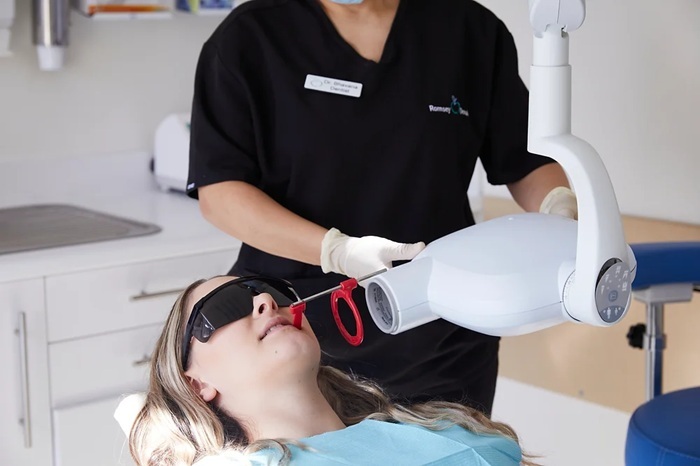
A dental exam and x-rays can catch these problems early to avoid future complications and can help improve overall health and wellbeing.
What are wisdom teeth?
Wisdom teeth are the last teeth to come through, usually in the late teens or early adulthood. Because they are so far back, they can be hard to clean, which raises the risk of decay, gum problems and infection that can spread.
Signs you may need your wisdom teeth removed
- Pain in the back of the jaw, which may spread to the face or muscles
- Swollen, red or tender gums around a wisdom tooth
- Difficulty opening your mouth or chewing
- A bad taste or bad breath around the back teeth
- Symptoms that ease for a few days and then return
Wisdom teeth can also cause problems without any symptoms, so a check-up and X-rays are the best way to know.
Why not wait?
- Removal is usually easier while you are young and healthy, and healing is better.
- If you wait until the teeth are painful, they can be too infected or broken down to be removed in a single visit, and you may need an oral surgeon.
- Waiting into older age can mean slower healing and a harder procedure.
What to expect
- Assessment: we examine your mouth and take X-rays to see the position of your wisdom teeth.
- Plan: we explain your options and whether we can treat you at our practice or refer you to an oral surgeon.
- Comfort: your treatment is carried out under local anaesthetic. If you feel anxious, ask us about Happy Gas or Sleep Sedation.
- Aftercare: we give you clear instructions for healing.
Recovery tips
- Follow your dentist’s aftercare instructions.
- Take pain relief as directed on the label or by your dentist.
- Eat soft foods and avoid chewing on the area at first.
- Keep the area clean as advised, and avoid smoking and strenuous exercise while it heals.
- Call us if you have severe pain, heavy bleeding, fever or increasing swelling.
Book a wisdom teeth assessment
If you have pain or swelling at the back of your mouth, or you would like to know if your wisdom teeth should come out, call Romsey Dental on 03 5429 3322 or book online. We are at 41 Murphy Street, Romsey.
Frequently Asked Questions
Do I need to have my wisdom teeth removed?
Not always. Wisdom teeth are usually removed when there is not enough room for them or they come through in a problematic way. A dental exam and X-rays will show whether yours need to come out.
What are the signs of a problem wisdom tooth?
Jaw pain is often the first sign. You may also notice swollen, inflamed or painful gums, which can ease for a few days and then return until the tooth is removed.
When is the best time to have wisdom teeth removed?
It is usually best to remove them while you are young and healthy, before they cause pain or infection. Waiting can make the procedure harder and healing slower.
What happens if I leave my wisdom teeth too long?
They can become infected or broken down, which may mean they cannot be removed in a single visit and you may need an oral surgeon. Waiting until older age can also mean slower healing.
Is wisdom tooth removal painful?
The area is numbed with a local anaesthetic, so you should not feel pain during the procedure. Some soreness and swelling afterwards is normal.
Can I be sedated for wisdom tooth removal?
If you are anxious, ask us about Happy Gas or Sleep Sedation, and we will explain what is suitable for you.
How long does recovery take?
Most people recover over several days, with swelling and soreness that gradually settle. Your dentist will give you aftercare advice and tell you what to expect.
How much does wisdom tooth removal cost?
Cost depends on how complex the tooth is and the treatment needed. Our team can explain the fee before treatment begins.