
Gum (Periodontal) Treatment
Healthy Gums are the foundation of a healthy mouth.
Periodontics is a special brand of dentistry that focuses on the gums and other dental supportive structures, including your jaw bone.
The gums are incredibly important when it comes to dental health, and if there’s an issue with your gums, it can even threaten the health of your teeth.
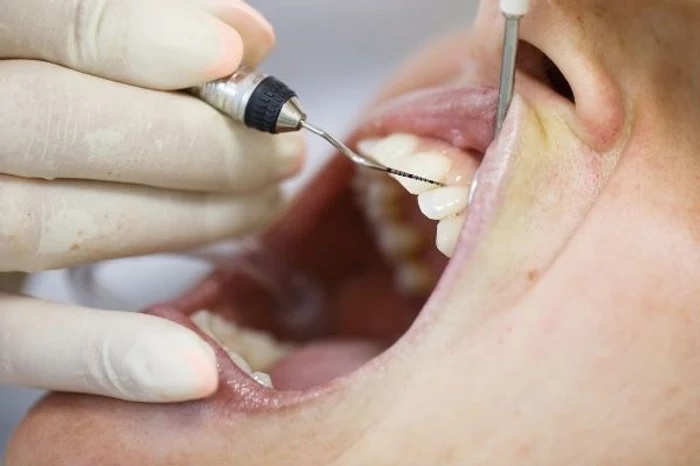
Whenever you visit Romsey Dental for a check-up, your dental professional will inspect your gums just as much as they look at your teeth. If they spot any issues, they will let you know if it’s something you can take care of at home with good hygiene, something they can help with in the dental practice, or something that you will need to see a dedicated periodontist to treat.
Whatever the case, periodontics can help you to keep your oral health in good shape, and avoid problems before they arise.
What causes periodontitis?
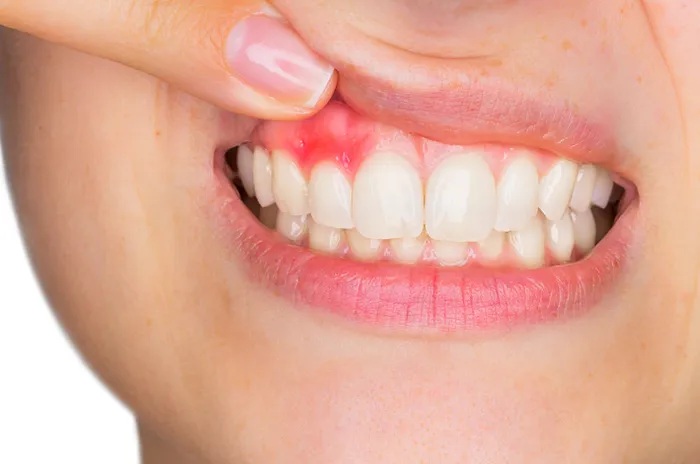
Periodontitis is the advanced form of gingivitis, a disease where your gums become infected. Gingivitis and periodontitis come from poor oral health, such as not brushing and flossing well or often enough, and consuming a diet high in sugary foods and drinks.
While gingivitis can be reversed with good oral health and a professional clean from your dental hygienist, periodontitis cannot be reversed. Once the disease has reachedthis stage, it becomes about managing the symptoms and stopping it from getting worse.
Come into our clinic for a check-up and we can screen you for various dental conditions you may think are minor but could cause issues in the future. We will show you how to protect and prevent gum disease.
Frequently Asked Questions
What are the early signs of gum disease?
Common signs include red, swollen or tender gums, bleeding when you brush or floss, bad breath that does not go away, and gums that look like they are pulling away from the teeth. Gum disease is often painless in the early stages, so regular check-ups matter.
Why do my gums bleed when I brush or floss?
Bleeding gums are usually a sign of inflammation caused by plaque build-up along the gumline. It is often an early sign of gingivitis. Do not stop brushing. Keep cleaning gently and book a check-up so we can look at your gums.
What is the difference between gingivitis and periodontitis?
Gingivitis is early gum inflammation and can be reversed with good brushing, flossing and a professional clean. Periodontitis is a more advanced gum infection that affects the tissue and jawbone supporting your teeth. It cannot be reversed, but it can be managed to prevent it from getting worse.
What causes gum disease?
Gum disease is mainly caused by plaque that is not cleaned away through regular brushing and flossing. A diet high in sugar can make it worse. Smoking, some medical conditions and certain medications can also increase your risk.
Can gum disease be treated?
Yes. Gingivitis can usually be reversed with better home care and a professional clean by a hygienist. For periodontitis, treatment focuses on managing the disease and preventing it from progressing. At your check-up we will tell you whether it can be managed at home, treated at the practice, or needs a periodontist.
Will I need to see a periodontist?
Not always. Many gum problems can be managed at our practice. If your gum disease is advanced, we may refer you to a periodontist for specialist care. We will explain why and what to expect.
Can gum disease cause tooth loss?
Yes. If it is not treated, gum disease can damage the bone and tissue that hold your teeth in place, which can lead to loose teeth and eventually tooth loss. Early treatment gives the best chance of keeping your natural teeth.
How can I prevent gum disease?
Brush for at least two minutes twice a day with a soft-bristled toothbrush and fluoride toothpaste, floss daily, limit sugary foods and drinks, and visit us for a check-up about every 6 months. Our team can also show you the best way to clean along the gumline.